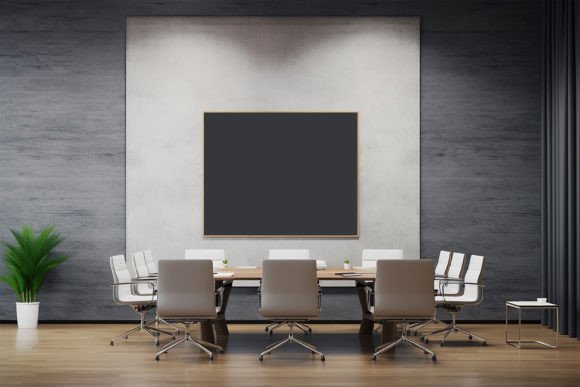
Elevating Corporate Aesthetics with a Glass Office Wall Board Background
In the rapidly evolving landscape of modern workplace design, the visual environment plays a pivotal role in shaping company culture and brand perception. The Glass Office Wall Board Background has emerged as a sophisticated solution for professionals seeking to merge functionality with high-end aesthetics. This design element is not merely a backdrop; it is a strategic tool that communicates transparency, innovation, and professionalism. By introducing a glass office wall board mounted against rich, textured wood, designers and business owners can create a space that feels both grounded and forward-thinking.
The appeal of this setup lies in its ability to balance contrasting materials. The sleek, reflective surface of the glass interacts dynamically with the warm, organic tones of wooden paneling. This juxtaposition creates a visual depth that flat, single-material walls simply cannot achieve. For marketers, interior designers, and corporate leaders, understanding how to leverage these textures is essential for creating environments that resonate with contemporary professional standards.
The Shift Toward Transparent and Textured Workspaces
Over the past decade, office design has shifted away from封闭, cubicle-heavy layouts toward open, collaborative spaces. However, the latest trend goes beyond mere openness; it focuses on curated transparency. Employees and clients alike are drawn to environments that feel honest and clear, yet warm and inviting. The glass office wall board background embodies this dual requirement. It offers the clarity associated with glass—symbolizing open communication and modernity—while the wooden accents provide the psychological comfort and stability often missing in sterile, all-glass environments.
This evolution reflects changing habits in how we work. With the rise of hybrid work models, physical offices are no longer just places for individual tasks; they are hubs for collaboration, brainstorming, and brand immersion. When teams gather for meetings, the surrounding environment influences their mindset. A meeting board set against a premium wood-and-glass backdrop signals that the organization values quality, attention to detail, and sophisticated design. It transforms a routine meeting into an experience that reinforces the company’s commitment to excellence.
Why Material Contrast Matters in Professional Branding
Interior design is a form of non-verbal communication. Every surface, texture, and light source contributes to the narrative of a brand. The combination of metal, wood, and glass in a wall board setup is particularly effective because it touches on several key design principles:
- Warmth and Approachability: Wood introduces natural elements that reduce stress and make spaces feel more human-centric.
- Modernity and Precision: Glass and metal accents convey technical proficiency, cleanliness, and contemporary style.
- Depth and Interest: The interplay of light and shadow on these varied surfaces prevents visual monotony, keeping the eye engaged.
For businesses, this means that a Glass Office Wall Board Background is more than a decorative choice; it is a branding asset. When clients walk into a conference room featuring this design, they subconsciously associate the tactile quality of the space with the quality of the services provided. It suggests that the company does not cut corners and pays attention to the finer details.
Practical Applications for Designers and Marketers
Introducing the glass office wall board as a novel idea for design needs opens up numerous possibilities for creative professionals. Whether you are developing a brand identity, creating marketing materials, or designing actual office interiors, this aesthetic offers versatility and impact.
Enhancing Visual Presentations and Mockups
For graphic designers and marketers, high-quality 3D mockups are indispensable tools. A mockup featuring a glass board on a wooden wall allows creators to showcase logos, signage, and presentation slides in a realistic, premium context. Instead of presenting a flat digital file, you can demonstrate how a brand’s visual identity lives in a physical space. This helps stakeholders visualize the end result and understand the scale and presence of their branding elements.
These mockups are particularly efficacious for indoor branding and dimensional signage. They allow designers to test how light reflects off glass surfaces and how colors interact with wood grains. By using smart objects in design software, users can quickly iterate on different logo placements, color schemes, and typography styles, ensuring that the final output harmonizes with the sophisticated interior design.
Creating Cohesive Corporate Ambiances
Beyond digital presentations, the physical installation of such wall boards can define the character of a workspace. Consider a startup looking to project stability despite its young age. Installing a meeting board with a chic wooden finish and glass overlay can lend an air of established professionalism. Conversely, a traditional corporation looking to modernize its image can use these elements to break away from heavy, dark wood paneling of the past, introducing lightness and transparency without losing gravitas.
The subtle elegance of these textures captures the intricate look of a premium office. It is not about overwhelming the viewer with bold colors or loud patterns; it is about refining the environment through material quality. This approach aligns with the growing preference for "quiet luxury" in corporate settings—where value is demonstrated through craftsmanship and material integrity rather than ostentatious displays.
Integrating Light and Shadow for Dynamic Effects
One of the most compelling aspects of the glass and wood combination is how it interacts with lighting. Natural light streaming through windows will reflect off the glass, creating dynamic patterns that change throughout the day. Meanwhile, the wood absorbs light, providing a stable, matte contrast. This interplay adds a layer of vitality to the space.
For photographers and content creators, this makes for an exceptional backdrop. Images taken in front of a Glass Office Wall Board Background naturally possess depth and texture. Whether capturing headshots for team pages, product shots for corporate gifts, or video backgrounds for remote meetings, the setting provides a professional yet interesting canvas. It avoids the distractions of cluttered offices while offering more visual interest than a plain white wall.
Recommendations for Implementation
If you are considering incorporating this design element into your project, keep the following recommendations in mind to maximize its effectiveness:
- Prioritize Quality Materials: The success of this look depends on the quality of the wood and the clarity of the glass. Low-grade materials will detract from the sophisticated ambiance. Opt for genuine wood veneers or high-quality laminates that mimic natural grain accurately.
- Consider Lighting Placement: Ensure that lighting fixtures do not create harsh glare on the glass surface where it might obstruct visibility. Use diffused lighting to enhance the warmth of the wood and the sheen of the glass simultaneously.
- Maintain Minimalism: Let the textures speak for themselves. Avoid cluttering the board with excessive magnets, notes, or decorations. The power of this design lies in its clean, uncluttered appearance.
- Align with Brand Colors: While wood and glass are neutral, the frame or mounting hardware can be customized. Choose metal finishes (such as brushed nickel, matte black, or brass) that complement your brand’s color palette.
Conclusion: A Statement of Modern Professionalism
The Glass Office Wall Board Background represents a convergence of form and function. It addresses the modern need for workspaces that are both visually inspiring and practically useful. By merging metal, wood, and glass, this design approach creates a statement of style that reflects a professional environment and embodies sophisticated interior design.
For creators, entrepreneurs, and business owners, adopting this aesthetic is a way to infuse the essence of a high-end corporate workspace into any project. Whether through physical renovation or digital mockups, the goal remains the same: to create an environment that resonates with corporate ambiance and enhances brand identity. As we continue to redefine what the workplace looks like, elements that offer subtle elegance and textual richness will remain at the forefront of design innovation. Embracing this trend allows you to stay ahead of the curve, offering a space that is not just seen, but felt and remembered.