Mastering Visual Presentations with Glass Wall and Building Mockups
In the competitive landscape of modern branding and architectural visualization, the ability to present a concept with photorealistic clarity is not merely an advantage; it is a necessity. Designers, architects, and marketing professionals constantly seek tools that bridge the gap between abstract digital files and tangible real-world applications. This is where the strategic implementation of high-quality mockup resources becomes pivotal. Specifically, the Glass Wall Mockup Glass Building Mock represents a critical asset for those aiming to showcase corporate identities, interior designs, and architectural concepts with precision and elegance.
The visual impact of glass in contemporary design cannot be overstated. It symbolizes transparency, modernity, and sophistication. However, capturing the nuanced reflections, refractions, and environmental interactions of glass in a static image is technically challenging. Professional mockup collections solve this problem by providing pre-rendered, high-fidelity environments where designers can insert their work seamlessly. By utilizing these resources, creators can demonstrate how a logo looks on a reception desk, how signage appears on a towering skyscraper, or how an interior layout functions within a sunlit office space, all without the prohibitive costs of physical production or on-site photography.
The Technical Foundation of High-Resolution Mockups
To achieve a result that convinces stakeholders and clients, the technical specifications of the mockup file are paramount. A subpar image with low resolution or poor layer organization can undermine even the most brilliant design concept. The curated collections available today prioritize technical excellence, offering files at resolutions such as 4267x2539 pixels at 300 DPI. This level of detail ensures that when images are scaled for large-format printing, high-definition digital displays, or detailed portfolio presentations, they remain crisp and free of pixelation.
Central to this usability is the implementation of smart objects. In professional graphic design software, smart objects allow users to place their artwork into a designated layer that automatically conforms to the perspective, lighting, and distortion of the underlying image. This feature eliminates the need for manual warping or complex masking techniques, which often yield unnatural results. For instance, when applying a company logo to a curved glass wall, the smart object ensures the text bends correctly with the surface curvature, maintaining legibility and aesthetic harmony. This adaptability allows for seamless incorporation within distinct creative processes, saving hours of manual adjustment time.
Furthermore, the provision of fully layered .PSD (Photoshop Document) files alongside high-quality .JPEG previews offers maximum flexibility. Designers can toggle visibility of various elements, adjust opacity levels, and modify color balances to match specific brand guidelines. The inclusion of an easy-to-comprehend help file further democratizes access to these advanced tools, ensuring that even those less familiar with complex software navigation can achieve professional results without confusion.
Diverse Applications in Corporate and Architectural Design
The versatility of a comprehensive mockup collection extends far beyond simple logo placement. These tools serve a vast range of aesthetics and functional requirements across multiple industries. Understanding the specific use cases can help professionals maximize the value of these resources.
Corporate Identity and Branding
For branding agencies, presenting a new visual identity in a realistic context is crucial for client approval. A logo viewed in isolation on a white background lacks the contextual weight it will carry in the real world. Using a Glass Wall Mockup Glass Building Mock, designers can project their logos onto frosted glass partitions, clear entrance doors, or expansive exterior facades. This helps clients visualize how their brand interacts with light and space. Whether it is a subtle etching on an office door or a bold vinyl application on a street-level window, these mockups provide a realistic preview of the final installed product.
Interior Design and Office Layouts
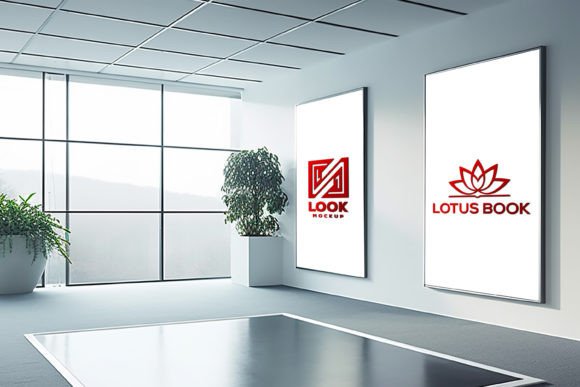
Interior designers and facility managers benefit significantly from mockups that depict complete room environments. Modern workspaces are defined by open plans, glass conference rooms, and collaborative hubs. Mockups featuring office rooms, business meeting rooms, and receptionist desks allow designers to test furniture arrangements, color palettes, and lighting schemes virtually. By inserting their design elements into these pre-lit scenes, they can assess how natural light filters through glass walls and impacts the mood of the space. This is particularly useful for proposing renovations or fit-outs for coworking spaces, elegant boardrooms, and sophisticated office halls.
Architectural Visualization
Architects and real estate developers use these tools to market properties before construction is complete. A rendering of a glass building can feel sterile without human scale or branded elements. By incorporating signage, window decals, and interior furnishings via mockups, architects can create compelling narratives about the lifestyle and functionality of the building. This approach helps potential tenants or buyers connect emotionally with the space, seeing not just a structure, but a vibrant place of work or commerce.
Enhancing Workflow Efficiency and Creative Freedom
One of the most significant advantages of using meticulously curated mockup collections is the enhancement of workflow efficiency. In a traditional setup, creating a realistic scene requires hiring photographers, renting locations, managing lighting equipment, and conducting post-production editing. This process is time-consuming and expensive. In contrast, digital mockups offer an immediate solution. With 100% editable files, designers can iterate rapidly. If a client requests a change in logo color or position, it can be executed in seconds rather than days.
This speed facilitates a more experimental creative process. Designers are encouraged to try multiple variations, fonts, and layouts without the fear of wasted resources. They can explore how a minimalist logo performs against a busy urban backdrop reflected in glass, or how a vibrant brand color pops against the neutral tones of a modern office interior. This freedom to experiment often leads to more innovative and effective design solutions.
Moreover, the consistency provided by these mockups ensures that all presentation materials maintain a cohesive look. Whether presenting a billboard logo mockup, a 3D logo mockup, or an interior view, the unified lighting and perspective styles create a professional and polished portfolio. This consistency builds trust with clients, demonstrating attention to detail and a high standard of professional practice.
Selecting the Right Mockup for Your Project
With a dynamic range of interface possibilities available, selecting the right mockup requires a clear understanding of the project goals. Consider the following factors when choosing from a collection:
- Lighting Conditions: Determine whether the project benefits from bright, airy daylight or dramatic, moody evening lighting. Glass interacts differently with various light sources, affecting the visibility of the applied design.
- Perspective and Angle: Choose angles that highlight the key features of the design. Eye-level shots are ideal for reception desks and door signage, while low-angle shots emphasize the grandeur of tall building facades.
- Environment Context: Ensure the background environment aligns with the brand’s target audience. A tech startup might suit a sleek, urban glass tower, while a creative agency might prefer a loft-style office with exposed beams and glass partitions.
- Customizability: Verify that the file allows for adjustments to shadows, reflections, and background blur. These subtle tweaks can make the difference between a good mockup and a great one.
By carefully evaluating these elements, professionals can ensure that their chosen Glass Wall Mockup Glass Building Mock enhances rather than distracts from their core design message. The goal is always to create a seamless blend between the digital artwork and the photographic environment, resulting in an image that feels authentic and impactful.
Conclusion
The integration of high-quality mockups into the design workflow is a testament to the evolving nature of visual communication. As demands for realism and speed increase, tools that offer high-resolution quality, smart object functionality, and extensive customizability become indispensable. From architecture mockups to sophisticated office halls, these collections serve a vast range of aesthetics and practical needs. By leveraging these resources, designers, architects, and marketers can elevate their presentations, communicate their visions more effectively, and ultimately deliver superior value to their clients. The journey from concept to realization is made smoother, more creative, and visually stunning through the strategic use of these powerful digital assets.