Understanding 3D Emoji Face Break Through Backgrounds: A Guide to Modern Digital Art and Sublimation Design
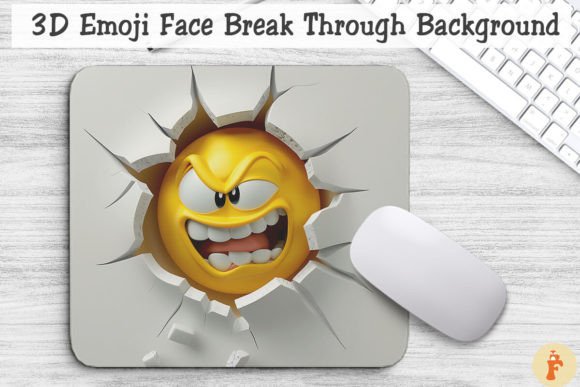
In the rapidly evolving landscape of digital design, few trends have captured the public imagination quite like the fusion of emotive iconography with three-dimensional depth. Specifically, the 3D Emoji Face Break Through Background has emerged as a standout visual motif in contemporary graphic arts. This dynamic style, often characterized by an Emotive Emoji Break Through Illustration, transforms flat, two-dimensional symbols into vibrant, tactile experiences that appear to burst from the screen or fabric. For designers, crafters, and business owners, understanding the mechanics and appeal of this aesthetic is crucial for leveraging its potential in modern creative projects.
The Evolution of Emojis in Visual Culture
To appreciate the significance of a 3D Emoji Breakthrough a Wall design, one must first understand the journey of the emoji itself. Originally developed as simple pixelated icons for Japanese mobile phones, emojis have evolved into a universal language. However, standard emojis are inherently flat. They lack depth, shadow, and texture. The introduction of 3D rendering techniques has revolutionized how we perceive these symbols. By adding lighting effects, shadows, and perspective, designers create the illusion that the emoji possesses physical mass.
This evolution is not merely cosmetic; it serves a psychological purpose. Human brains are wired to respond to depth and movement. A flat yellow smiley face is recognizable, but a 3D rendered face that appears to be smashing through a concrete wall conveys energy, impact, and emotion. This is why 3D Backgrounds featuring these elements are so effective in marketing and personal expression. They grab attention in a way that static, flat images cannot.
Deconstructing the "Break Through" Aesthetic
The core concept behind the 3D Emoji Face Break Through Background is the illusion of disruption. The design typically features a solid surface—such as a brick wall, a sheet of glass, or a colorful geometric plane—that has been fractured. Emerging from this fracture is a large, highly detailed 3D emoji. The "break through" effect creates a sense of action and immediacy.
Why is this specific composition so popular? It represents breaking barriers, expressing strong emotions, or making a bold statement. Whether it is a laughing face cracking through a blue background or an angry face shattering a red wall, the imagery communicates intensity. For creators using these designs in sublimation printing, this visual punch is essential. It ensures that the final product, whether a t-shirt, mug, or phone case, stands out in a crowded marketplace.
Technical Specifications and Quality Standards
When sourcing or creating these designs, technical quality is paramount. A prime example of a high-standard asset is a design package that includes 01 PNG files with specific dimensions. For instance, a professional-grade file might offer a size of approximately 15.5 x 13.6 inches. This dimension is significant because it provides a large canvas for resizing without compromising integrity.
The resolution is another critical factor. High-quality designs are delivered at 300 DPI (Dots Per Inch). This density ensures that when the image is printed, the edges remain sharp, and the gradients smooth. Lower resolution images may look acceptable on a screen but will appear pixelated and amateurish when printed on physical goods. Therefore, verifying that your 3D Emoji Breakthrough a Wall assets are 300 DPI is a non-negotiable step for professional results.
Practical Applications in Sublimation and Print-on-Demand
The primary utility of these Emotive Emoji Break Through Illustrations lies in their versatility for print-on-demand businesses and hobbyist crafters. Sublimation printing, a process where heat and pressure transfer dye onto materials like polyester fabrics, ceramics, and metals, requires high-resolution digital files. The transparent background of a PNG file is particularly valuable here, allowing the designer to place the 3D emoji over any colored substrate without a white box surrounding it.
Consider the workflow for a small business owner. They purchase a zip file containing their desired 3D emoji designs. After unzipping the file on their PC or Mac, they import the PNG into their design software. Because the design is large and high-resolution, they can resize it to fit a variety of products. A single design can be scaled down for a keychain or scaled up for a full-front t-shirt print. This flexibility reduces the need to purchase multiple assets for different product lines, offering excellent value.
- T-Shirts and Apparel: The vibrant colors of 3D emojis pop against dark or bright fabrics, making them ideal for casual wear.
- Mugs and Drinkware: The curved surface of a mug benefits from the depth perception of 3D art, making the emoji appear as if it is jumping off the ceramic.
- Phone Cases: With the high DPI ensuring clarity, these designs look premium on protective cases.
- Wall Art and Posters: The "break through" theme works exceptionally well for decorative home or office prints, adding a playful yet modern touch.
Navigating File Formats and Common Misconceptions
It is important for beginners to understand what these files are not. A common misconception is that all digital design files are created equal. However, the 3D Emoji Face Break Through Background packages typically provided are NOT SVG files. SVG (Scalable Vector Graphics) files are vector-based, meaning they are composed of mathematical paths rather than pixels. Vectors are essential for cutting machines like Cricut or Silhouette, which cut vinyl or paper along specific lines.
Since these 3D designs are raster images (PNGs), they are not layered for cutting. You cannot use them to create a multi-layered vinyl decal where each color is cut separately. Instead, they are designed for printing. If you attempt to use a PNG for vinyl cutting, the machine will try to cut around the entire square image or fail to recognize the internal details. Understanding this distinction saves time and prevents material waste. These files are Ready to print and sublimation, meaning they are optimized for ink-based processes, not blade-based cutting.
Color Accuracy and Device Variance
Another aspect of working with digital art is managing expectations regarding color. Please note that colors may vary depending on devices and printers. The vibrant blues and yellows you see on your calibrated monitor may look slightly different when printed on a polyester shirt versus a ceramic mug. This is due to differences in color profiles (RGB for screens vs. CMYK or sublimation dyes for print). Experienced creators always perform test prints to adjust brightness and contrast settings to match their specific equipment.
The Role of Accessibility and Ease of Use
For many users, the technical barrier to entry can be daunting. However, modern digital assets are designed with user-friendliness in mind. Files often come in a ".ZIP" format. This compression method reduces file size for faster download speeds. Users must know how to unzip files on their PC or Mac to retrieve the actual PNG images. While this seems basic, it is a frequent point of confusion for new entrepreneurs. Simple tutorials on extracting zip files can empower users to access their purchased content quickly.
Furthermore, the fact that these designs can be resized to fit as needed without losing quality (within reasonable limits of the original resolution) adds to their accessibility. A creator does not need advanced Photoshop skills to manipulate the core image. They simply need to drag, drop, and scale. This democratization of design allows individuals with varying skill levels to produce professional-looking merchandise.
Conclusion: Embracing the Depth of Digital Expression
The 3D Emoji Face Break Through Background is more than just a trendy graphic; it is a testament to how digital art continues to bridge the gap between virtual communication and physical reality. By combining the universal language of emojis with the immersive quality of 3D rendering, these designs offer a powerful tool for expression. Whether you are a seasoned designer looking to expand your portfolio or a beginner starting a sublimation business, understanding the technical specs—such as the importance of 300 DPI PNGs and the limitations regarding SVG cutting—is essential.
As technology advances, the line between digital and physical will continue to blur. Designs that leverage depth, motion, and emotion, like the Emotive Emoji Break Through Illustrations, will remain at the forefront of this shift. By choosing high-quality, versatile assets, creators can ensure their work resonates with audiences, bringing a splash of vibrant, three-dimensional joy to everyday objects. Thank you for your support in exploring this dynamic corner of the creative world, and may your future projects break through new boundaries of innovation.