Integrating Tomato 3D Clipart Comic Style Sublimation into Your Creative Workflow
In the rapidly evolving landscape of digital design and print-on-demand production, the quality and versatility of your assets determine the efficiency of your output. For designers, small business owners, and creative entrepreneurs, finding resources that bridge the gap between artistic appeal and technical functionality is crucial. Tomato 3DClipart Comic Style Sublimation represents a specific niche of digital assets that combines vibrant, eye-catching aesthetics with the practical requirements of modern sublimation printing. Understanding how to effectively integrate these files into your broader design process can significantly enhance your productivity and the final quality of your products.
Understanding the Asset and Its Role in Design
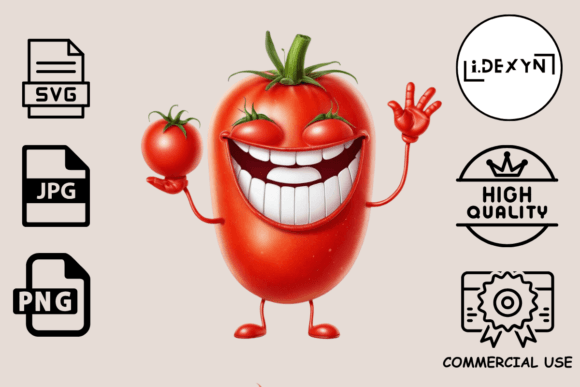
At its core, this digital package offers a stylized representation of a common culinary subject: the tomato. However, it is not merely a simple photograph or a flat vector. The "3D Comic Style" indicates a rendering approach that uses shading, highlights, and bold outlines to create depth and visual interest, reminiscent of pop art or modern graphic novels. This aesthetic is particularly effective for sublimation because it translates well onto various substrates, maintaining clarity and color vibrancy even after the heat transfer process.
When you acquire Tomato 3D Clipart Comic Style Sublimation, you are not just buying an image; you are acquiring a tool that fits into multiple stages of a product creation lifecycle. Whether you are designing kitchen decor, apparel, or promotional materials for a farm-to-table brand, this asset serves as a foundational element. It allows you to bypass the time-consuming process of creating complex illustrations from scratch, enabling you to focus on layout, composition, and marketing strategy.
Pre-Production: Compatibility and Preparation
Before integrating any digital asset into your workflow, verification of compatibility is essential. This listing includes digital files only, specifically SVG, PNG, and JPEG formats, all contained within a single zip file. Each format serves a distinct purpose in the design hierarchy, and understanding when to use which is key to a smooth process.
- SVG (Scalable Vector Graphics): Ideal for users with cutting machines like Cricut or Silhouette. Because vectors are resolution-independent, they allow you to resize the cutting template as needed without losing quality. This is critical for ensuring that all pieces fit together correctly if you are creating layered designs or decals.
- PNG (Portable Network Graphics): Typically provided with a transparent background, PNGs are the workhorse for sublimation design software. They allow you to place the tomato illustration directly onto your mockup or canvas without worrying about white boxes or background interference.
- JPEG: Useful for quick previews or projects where transparency is not required, though less flexible than PNG for professional sublimation workflows.
It is important to note that photos and mockups are not included in the download. Therefore, your preparation phase must involve having your own mockup templates ready. This ensures that you can visualize the final product accurately before committing to printing. Additionally, always check the compatibility of these files with the specific software you are using, whether it is Adobe Illustrator, Photoshop, Canva, or specialized cutting machine software.
Design Execution: Scaling and Composition
Once the files are extracted and imported into your design environment, the execution phase begins. A common pitfall in digital design is improper scaling. When using the SVG files for cutting or the PNGs for printing, you must ensure that you scale all pieces equally and proportionally. If you are combining the tomato clipart with other elements—such as text, borders, or additional vegetable illustrations—maintaining proportional integrity ensures that the visual balance remains intact.
The vibrant red color and comic-style detailing of the tomato make it a strong focal point. In kitchen design or culinary branding, this asset can serve as a primary icon or a supporting decorative element. For instance, if you are creating a T-shirt design graphic for a cooking class or a healthy eating campaign, the tomato can anchor the composition. Its bold lines and saturated colors stand out against both light and dark fabrics, provided you adjust your sublimation printer settings accordingly.
Consider the context of "culinary creativity." This clipart is not limited to food-related products. Its stylistic nature allows it to be used in educational materials for nutrition classes, botanical drawing collections, or even as part of a larger harvest season-themed bundle. The key is to treat the asset as a modular component that can be adapted to various themes while retaining its core identity as a fresh produce symbol.
Integration with Broader Business Workflows
For entrepreneurs and marketers, the value of Tomato 3DClipart Comic Style Sublimation extends beyond the design canvas. It plays a role in inventory management, product diversification, and brand consistency. By having high-quality, versatile assets on hand, you can rapidly prototype new products. This agility is vital in markets driven by trends, such as seasonal kitchenware or health-conscious apparel.
When incorporating this asset into your business workflow, consider the following steps:
- Categorization: Store the zip file in a structured digital library. Tag it with relevant keywords such as "vegetable illustration," "vector graphic," and "sublimation ready" to ensure quick retrieval during future projects.
- Quality Control: Before launching a product line, print test samples. Sublimation results can vary based on fabric composition and printer profiles. Verify that the comic style details remain sharp and the red hues are accurate.
- Marketing Alignment: Use the visual appeal of the clipart in your digital marketing. The vibrant, natural look aligns well with concepts of organic farming, nutrition, and savory cooking. Highlight these associations in your product descriptions to attract the right audience.
This systematic approach ensures that the digital asset contributes to long-term efficiency rather than becoming a one-off usage item. By standardizing how you handle such files, you reduce the friction between idea generation and product launch.
Practical Tips for Long-Term Usability
To maximize the return on investment for this digital purchase, consider how it interacts with other tools and resources. If you are a freelancer working with multiple clients, this clipart can be a starting point for custom commissions. You can modify the colors, add textures, or combine it with other botanical drawings to create unique compositions. However, always respect the licensing terms and ensure that your modifications result in transformative works if required by the license agreement.
For educators and bloggers, the simplicity and clarity of the design make it an excellent visual aid. It can be used in infographics about healthy eating, salad ingredients, or the benefits of farm-fresh produce. The pictogram-like quality of the comic style ensures that the message is conveyed quickly and effectively, which is essential for engaging audiences with short attention spans.
Remember that no printed materials will be shipped. This means you retain full control over the production quality. You can choose premium blanks for sublimation, experiment with different materials like mugs, plates, or polyester blends, and maintain strict quality standards. This control is a significant advantage for brands focused on premium positioning.
Conclusion: Streamlining Creative Output
Incorporating Tomato 3D Clipart Comic Style Sublimation into your toolkit is a strategic move for anyone involved in digital design and print production. It offers a blend of aesthetic appeal and technical convenience that supports a wide range of applications, from culinary art to educational content. By understanding the file types, preparing your workspace, and integrating the asset into a structured workflow, you can enhance both the speed and quality of your creative output. Ultimately, the goal is to let these high-quality digital resources handle the heavy lifting of illustration, freeing you to focus on innovation, strategy, and connecting with your audience.