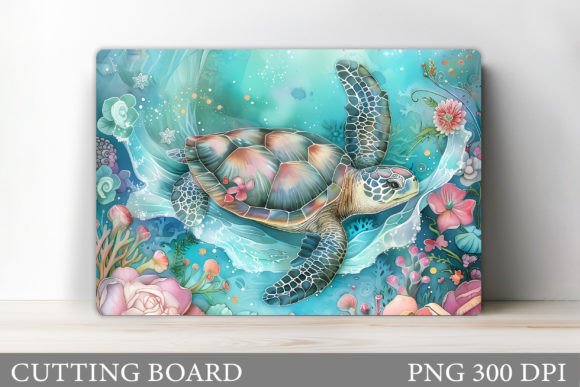
3D Turtle Cutting Board Sublimation Guide
Transforming a standard kitchen accessory into a personalized piece of art has never been more accessible, thanks to the rising popularity of sublimation printing. Among the various designs capturing the attention of crafters and home decor enthusiasts, the turtle cutting board stands out for its blend of whimsy and functionality. Whether you are a seasoned entrepreneur looking to expand your product line or a hobbyist eager to create unique gifts, understanding the nuances of 3D turtle cutting board sublimation is essential. This process allows for vibrant, durable, and eye-catching designs that turn a utilitarian object into a conversation starter.
Understanding the Appeal of Turtle Kitchen Designs
The turtle is a symbol often associated with longevity, patience, and protection, making it a beloved motif in home decor. When applied to a turtle kitchen cutting board design, this imagery adds a layer of warmth and personality to the culinary space. Unlike generic store-bought items, sublimated boards offer a custom touch that resonates with specific aesthetics, from coastal and beach-themed kitchens to modern, nature-inspired interiors.
For creators, the appeal lies in the versatility of the design. A well-executed 3D effect gives the illusion of depth, making the turtle appear as though it is emerging from the surface of the board. This visual trickery is achieved through careful shading and perspective in the digital artwork, which is then transferred onto the substrate using heat and pressure. The result is a high-definition image that does not peel, crack, or fade easily, provided the correct materials and techniques are used.
What Is 3D Sublimation in Practical Terms?
Sublimation is a printing process where solid ink turns into gas under heat and pressure, bonding directly with polymers in the material. In the context of a 3D turtle cutting board sublimation project, "3D" refers to the visual style of the graphic rather than a physical texture. The design utilizes shadows, highlights, and layered elements to create a sense of dimensionality.
To achieve this, you start with a high-quality digital file. For instance, a typical collection might include a PNG file with an image size of 11.6 x 8.2 inches at 300 DPI. This resolution is critical because it ensures that every scale on the turtle’s shell and every ripple in the surrounding water is crisp and clear. Lower resolution images may appear pixelated when printed on a large surface like a cutting board, diminishing the professional look of the final product.
Key Characteristics and Value Proposition
The value of investing time in learning this craft extends beyond mere aesthetics. Here are the primary characteristics that make these boards desirable:
- Durability: Sublimation ink becomes part of the coating, meaning the design is resistant to scratching and washing, unlike vinyl decals which can peel over time.
- Customization: You can tailor the background colors, add names, or adjust the turtle’s position to fit specific customer requests.
- Professional Finish: The seamless integration of ink and surface provides a smooth, glossy, or matte finish that feels premium to the touch.
- Versatility: These boards serve dual purposes as functional kitchen tools and decorative serving platters for cheeses, fruits, or charcuterie.
For small business owners, offering such customized items can differentiate your brand in a crowded market. Customers are increasingly seeking unique, handcrafted items that reflect their personal style, and a turtle cutting board fits this demand perfectly.
Practical Applications and Use Cases
Understanding where and how these boards are used helps in marketing them effectively. Here are several realistic scenarios:
- Housewarming Gifts: A personalized board with a family name or a specific date makes for a memorable housewarming present. The turtle motif adds a touch of serenity to a new home.
- Seasonal Decor: Turtles are often associated with summer and beach vacations. Creating themed collections for spring and summer sales can boost seasonal revenue.
- Educational Tools: Educators and parents might use these boards in cooking classes for children, where the engaging design encourages participation in food preparation.
- Commercial Branding: Cafés and bistros with a coastal theme can use these boards for serving appetizers, reinforcing their brand identity through consistent visual elements.
When preparing your design file, such as the 11.6 x 8.2 inch PNG mentioned earlier, consider the orientation of the board. Ensure the turtle is centered or positioned according to the board’s shape to avoid awkward cropping during the pressing phase.
Important Considerations for Beginners
Before diving into 3D turtle cutting board sublimation, there are several technical and practical factors to keep in mind to ensure success.
Material Compatibility
Not all cutting boards are suitable for sublimation. You must use boards specifically coated for sublimation, typically made of aluminum or certain polymers. Wooden boards cannot be sublimated directly unless they have a special polymer coating, which is rare. Always verify that your blank substrate is rated for sublimation to prevent wasted materials and frustrated efforts.
Heat Press Settings
Precision is key. Each manufacturer provides specific time, temperature, and pressure settings for their blanks. Deviating from these recommendations can lead to ghosting (where the image shifts) or color distortion. For most aluminum boards, temperatures range between 385°F to 400°F, but always consult the supplier’s guidelines. Using a Teflon sheet or butcher paper protects both the board and your heat press from ink bleed.
Design Preparation
Since sublimation prints mirror the image, you must flip your design horizontally before printing. This is a common mistake among beginners. Additionally, ensure your PNG file has a transparent background if you want the board’s base color to show through, or a white background if you want full coverage. The 300 DPI resolution ensures that the intricate details of the turtle’s shell remain sharp.
Safety and Usage
While sublimated boards are durable, they are generally recommended for light cutting, serving, or decorative purposes. Heavy chopping with sharp knives can scratch the surface over time, potentially affecting the image. Advising customers to use these boards primarily for serving or light prep can help maintain the longevity of the design.
Getting Started with Your First Project
If you are ready to try your hand at creating a turtle kitchen cutting board design, start by sourcing high-quality blanks and a reliable sublimation printer. Download a reputable design file, such as the one featuring the 11.6 x 8.2 inch image at 300 DPI. Print a test run on paper to check color accuracy and alignment. Once satisfied, proceed with the sublimation process, carefully monitoring time and temperature.
Remember, the goal is to create a product that brings joy and utility to the user. By focusing on quality materials, precise techniques, and thoughtful design, you can produce 3D turtle cutting board sublimation projects that stand out for their beauty and craftsmanship. Whether for personal use or commercial sale, these boards represent a perfect intersection of art and function, offering a unique way to enhance any kitchen space.
Thank you for visiting in my shop. We hope this guide inspires you to explore the creative possibilities of sublimation and helps you create beautiful, lasting pieces for your home or business.