Mastering 3D Daisies Flowers Tumbler Sublimation: A Guide to Digital Design and Application
The resurgence of personalized drinkware has transformed simple hydration vessels into canvases for artistic expression. Among the most popular trends in this space is the use of floral motifs, specifically daisies, which evoke a sense of nostalgia, simplicity, and natural beauty. When combined with modern sublimation techniques, these designs take on a new dimension. 3D Daisies Flowers Tumbler Sublimation represents a specific niche within the custom printing industry, where digital artistry meets physical application to create depth and visual interest. For creators, hobbyists, and small business owners, understanding the nuances of this process is essential for producing high-quality results that stand out in a saturated market.
This article explores the technical and aesthetic aspects of using 3D daisy designs for tumbler sublimation. It examines the differences between standard flat prints and those designed with dimensional effects, compares various file formats and tumbler shapes, and provides practical advice for selecting the right resources. By evaluating the strengths and limitations of digital sublimation files, readers can make informed decisions about their creative projects.
Understanding the Visual Depth of 3D Sublimation Designs
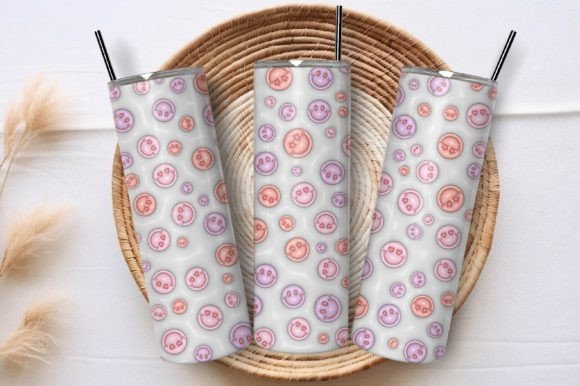
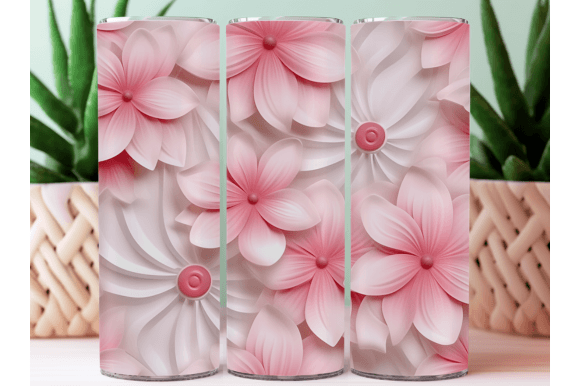
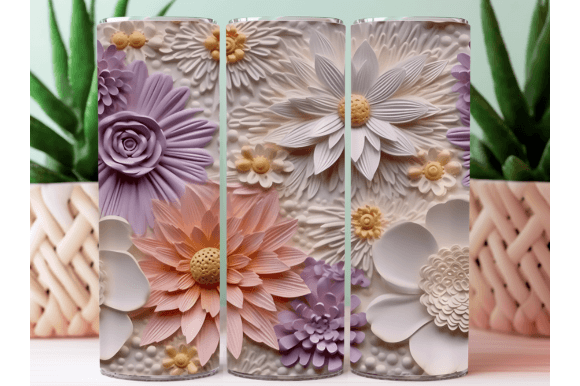
The term "3D" in the context of sublimation printing does not refer to physical texture on the tumbler surface. Instead, it describes a visual illusion created through sophisticated graphic design. 3D Daisies Flowers Tumbler Sublimation files utilize shading, highlights, shadows, and layering to make the flowers appear as though they are popping off the metal surface. This technique requires a keen eye for detail and a strong understanding of light dynamics.
Unlike traditional flat vector graphics, which often look two-dimensional and static, 3D-style designs mimic the complexity of real-life photography or intricate digital painting. The petals of the daisies may feature gradient transitions from bright white to soft yellow centers, with subtle drop shadows that suggest volume. When wrapped around a cylindrical tumbler, these elements interact with the curvature of the object, enhancing the perception of depth. This distinction is crucial for buyers who are comparing different design styles. While flat designs offer a clean, minimalist look, 3D designs provide a luxurious, high-end aesthetic that can command higher perceived value in retail settings.
Digital Files vs. Physical Products: Clarifying the Purchase
A common point of confusion for newcomers to the sublimation world is the nature of the product being purchased. It is vital to understand that listings for 3D Daisies Flowers Tumbler Sublimation typically involve digital files only. No physical items, such as printed tumblers or transfer paper, are sent to the buyer. This model offers flexibility but also requires the user to have the necessary hardware and materials to complete the project.
The standard package for these designs usually includes high-resolution PNG files. For instance, a typical bundle might contain one straight PNG file and one tapered PNG file. The distinction between these two formats is significant:
- Straight PNG Files: These are designed for tumblers with uniform diameter from top to bottom. The image dimensions are consistent, allowing for a seamless wrap without distortion.
- Tapered PNG Files: These are engineered for tumblers that are wider at the top and narrower at the base. The design is pre-warped or adjusted to account for the changing circumference, ensuring that the daisies do not appear stretched or compressed when applied.
Both file types are generally provided at 300 DPI (dots per inch), which is the industry standard for high-quality printing. A print size of approximately 9.3″ x 8.2″ is common, catering to standard 20oz skinny tumblers. However, users must verify their specific tumbler dimensions against the file specifications to ensure a perfect fit. The digital-only nature of these transactions allows creators to purchase once and print multiple times, offering a cost-effective solution for small batches or personal gifts.
Comparing Sublimation with Alternative Decorating Methods
When evaluating how to decorate a tumbler, sublimation is just one of several options. Understanding where 3D Daisies Flowers Tumbler Sublimation fits in the broader landscape helps users choose the right method for their needs.
Sublimation vs. Vinyl Decals
Vinyl decals involve cutting colored vinyl sheets into shapes and applying them to the tumbler surface. While vinyl is durable and works on any color background, it often leaves visible edges and can peel over time, especially with frequent washing. In contrast, sublimation infuses the ink directly into the polymer coating of the tumbler. This results in a smooth, seamless finish where the design becomes part of the material. For complex, multi-colored images like 3D daisies, sublimation is superior because it can reproduce millions of colors and subtle gradients that vinyl cannot match without extensive layering.
Sublimation vs. Direct-to-Object Printing
Direct-to-object printers apply ink directly onto the item, similar to a paper printer. This method is excellent for low-volume, on-demand production but requires expensive equipment. Sublimation, on the other hand, uses a heat press and transfer paper, making it more accessible for home-based businesses. The trade-off is that sublimation requires a white or light-colored polymer-coated surface. You cannot sublimate onto dark metals or non-coated ceramics. Therefore, if a user wants a black tumbler with daisies, sublimation is not an option unless they use a specialized white sublimation wrap, which adds another step to the process.
Technical Considerations and Best Practices
To achieve the best results with 3D Daisies Flowers Tumbler Sublimation, attention to technical details is paramount. The quality of the final product depends not only on the design file but also on the execution of the printing and pressing process.
- Color Management: Colors shown on computer screens may vary slightly from the printed output due to differences in monitor calibration and printer profiles. It is advisable to perform test prints on paper before committing to expensive tumbler blanks. Adjusting brightness and contrast settings in editing software can help compensate for these variations.
- Printer and Ink Quality: Using high-quality sublimation ink and paper is essential. Cheap inks may fade quickly or produce dull colors, undermining the vibrant effect of the 3D daisies. Ensure that the printer is capable of handling the resolution of the 300 DPI PNG files without pixelation.
- Heat Press Settings: Temperature, time, and pressure must be calibrated according to the tumbler manufacturer’s recommendations. Typically, this involves temperatures around 380°F (193°C) for 150–200 seconds. Incorrect settings can lead to ghosting (blurry images) or scorching.
- Tumbler Preparation: The tumbler surface must be clean and free of oils or dust. Any imperfections on the blank will show through the translucent sublimation ink. Using lint-free gloves when handling the blanks prevents fingerprints from affecting the final print.
When to Choose 3D Daisy Designs
Deciding whether 3D Daisies Flowers Tumbler Sublimation is the right choice depends on the intended audience and purpose. These designs are particularly well-suited for:
- Spring and Summer Collections: Daisies are synonymous with warm weather and freshness. They appeal to customers looking for seasonal decor.
- Gift Markets: The cheerful and universal appeal of daisies makes them safe choices for birthdays, Mother’s Day, or teacher appreciation gifts.
- Brand Aesthetics: Businesses aiming for a cottagecore, rustic, or feminine brand identity will find these designs align well with their visual language.
However, there are situations where alternative designs might be more appropriate. If the target market prefers bold, geometric, or minimalist styles, a detailed 3D floral pattern may feel too busy. Additionally, if the producer lacks access to a heat press or sublimation printer, purchasing digital files is not a viable path, and they should consider ready-made printed tumblers or vinyl-based methods instead.
Evaluating File Providers and Resources
When sourcing 3D Daisies Flowers Tumbler Sublimation files, reliability and support are key factors. Reputable designers, such as Misba Design, often provide clear instructions and customer support. Before purchasing, check if the provider offers both straight and tapered versions, as this versatility adds value. Read reviews to ensure that the files are truly 300 DPI and free from watermarks or low-resolution artifacts.
It is also beneficial to look for providers who explain their terms of use clearly. Some licenses allow for unlimited personal and commercial use, while others may restrict the number of physical items you can sell. Understanding these legal boundaries protects your business from potential intellectual property issues.
In conclusion, 3D Daisies Flowers Tumbler Sublimation offers a compelling blend of artistic depth and practical application. By understanding the technical requirements, comparing it with other decorating methods, and selecting high-quality digital resources, creators can produce stunning, professional-grade tumblers. Whether for personal enjoyment or commercial venture, the key lies in careful preparation and an appreciation for the details that bring digital designs to life.