Mastering the 3D Inflated Heart Tumbler Wrap: A Guide to Custom Sublimation Design
In the rapidly evolving world of personalized merchandise, few items have captured the public imagination quite like the custom tumbler. Among the myriad of design trends, the 3D Inflated Heart Tumbler Wrap stands out as a particularly charming and visually striking option. This design aesthetic combines the tactile illusion of depth with the universal symbol of love, creating a product that is both emotionally resonant and commercially viable. For creators, designers, and hobbyists entering the sublimation printing space, understanding how to properly utilize this specific wrap is essential for producing high-quality, professional-grade results.
This article explores the intricacies of the 3D Inflated Heart design, specifically tailored for the popular 20oz straight skinny tumbler. We will delve into the technical specifications, the importance of file formats, and the practical considerations necessary to transform a digital file into a physical masterpiece. Whether you are a seasoned printer or a beginner looking to expand your creative portfolio, grasping these fundamentals will enhance your workflow and final output.
Understanding the Appeal of 3D Illusion Designs
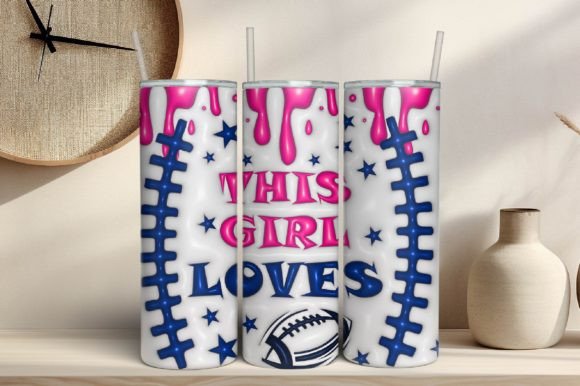
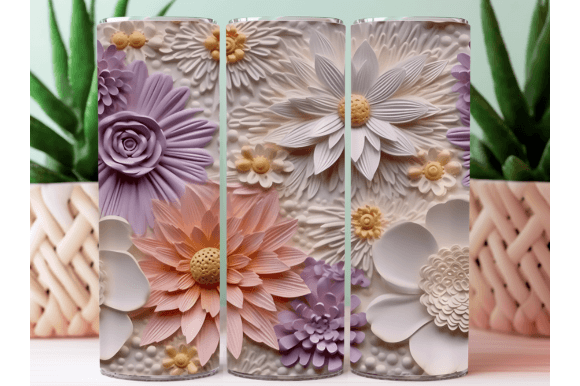
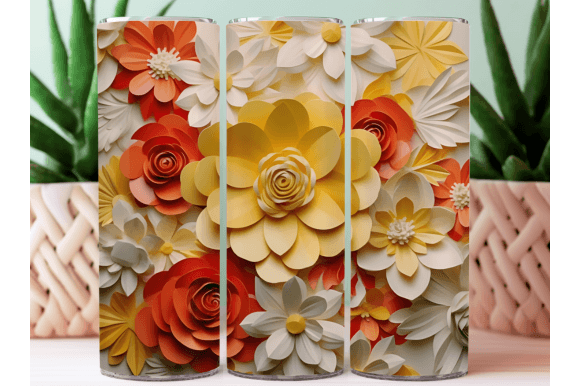
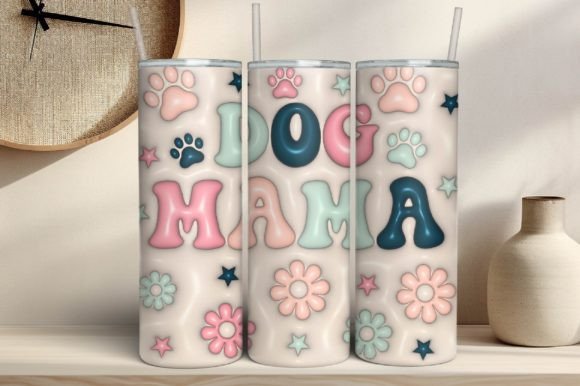
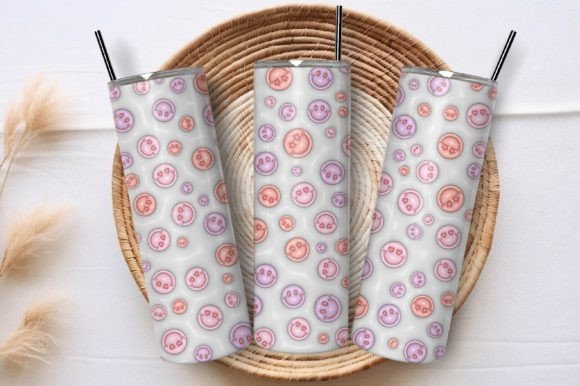
The concept of a "3D" design in the context of flat sublimation printing is a fascinating interplay between art and perception. Unlike actual three-dimensional objects, these designs use shading, highlights, and perspective tricks to create the illusion of volume. The "inflated heart" motif leverages soft gradients and realistic lighting effects to make the heart appear as though it is a plush, balloon-like object resting on the surface of the tumbler.
This style has gained significant traction in modern consumer culture for several reasons. First, it adds a layer of sophistication and novelty to standard graphic prints. Second, it appeals to a broad demographic, from children who enjoy bright, cartoonish aesthetics to adults who appreciate the artistic technique. In the realm of small business and Etsy-style entrepreneurship, offering unique visual textures like this can differentiate a seller in a saturated market. It transforms a simple drinking vessel into a piece of wearable art, suitable for gifts, promotional items, or personal use.
Technical Specifications: Why Dimensions Matter
When working with digital assets for sublimation, precision is paramount. The 3D Inflated Heart Tumbler Wrap discussed here is specifically engineered for the 20oz straight skinny tumbler. This specific tumbler model has become an industry standard due to its sleek profile and popularity among consumers. However, not all tumblers are created equal, and using the wrong dimensions can lead to misaligned prints, wasted materials, and customer dissatisfaction.
The design package typically includes two critical variations to accommodate different manufacturing standards:
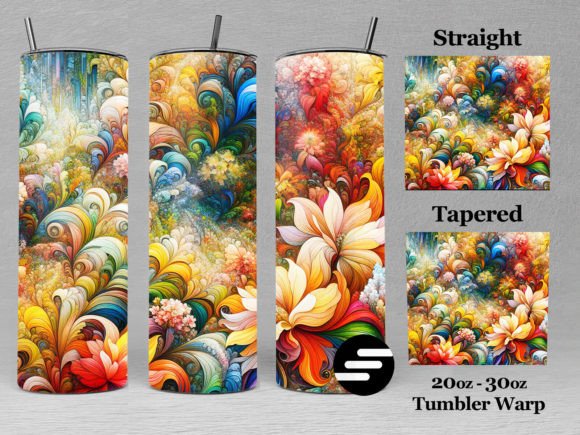
- Straight Wrap: Sized at 9.3 x 8.2 inches at 300 DPI. This is for tumblers with consistent diameter from top to bottom.
- Tapered Wrap: Also sized at 9.3 x 8.2 inches at 300 DPI, but adjusted for tumblers that narrow slightly towards the base.
The resolution of 300 DPI (dots per inch) is the gold standard for print-ready files. Lower resolutions may appear pixelated or blurry when printed on a large surface area, while higher resolutions are often unnecessary and can slow down processing times without visible benefit. Ensuring your printer settings match these specifications is crucial for maintaining the crisp edges and smooth gradients that define the 3D effect.
The Importance of File Formats
You will receive one ZIP file containing PNG files. The PNG (Portable Network Graphics) format is preferred in sublimation design for its ability to handle transparency and lossless compression. Unlike JPEGs, which can introduce artifacts around sharp lines and text, PNGs preserve the integrity of the design. This is particularly important for the subtle shading of the inflated heart, where any compression noise could disrupt the illusion of depth.
It is important to note that this is a printable file. Nothing physical will be mailed to you. This digital delivery method allows for instant access and repeated use, making it a cost-effective resource for high-volume printers. However, it also places the responsibility of production quality squarely on the user.
Practical Application in Modern Creativity and Business
Integrating the 3D Inflated Heart wrap into your workflow can open doors to various creative and commercial opportunities. In the context of small business operations, this design is versatile. It fits seamlessly into seasonal campaigns, such as Valentine’s Day, anniversaries, or wedding favors. Beyond holidays, the universal nature of the heart symbol makes it suitable for everyday sales, appealing to anyone looking to add a touch of warmth to their daily hydration routine.
From an educational perspective, working with these files teaches valuable lessons in color management and substrate preparation. For instance, the white background of the tumbler plays a crucial role in how the colors pop. Sublimation ink dyes the polymer coating of the tumbler, meaning the base color affects the final outcome. A pure white tumbler ensures the vibrant reds and pinks of the heart appear true to life.
- Preparation: Clean the tumbler thoroughly to remove oils and dust.
- Printing: Use high-quality sublimation paper and ink, ensuring mirror image printing if required by your workflow.
- Wrapping: Align the 9.3 x 8.2-inch print carefully. Use heat-resistant tape to secure the edges without overlapping onto the design area.
- Pressing: Follow manufacturer guidelines for time and temperature, usually around 380°F for 180-200 seconds, depending on the press type.
By following these steps, creators can ensure that the digital precision of the PNG file translates effectively into a physical product.
Common Misunderstandings and Color Variance
One of the most frequent points of confusion for new sublimators is color accuracy. It is vital to understand that colors may not print exactly as you see on your monitor. This discrepancy arises from several factors:
- Monitor Calibration: Screens emit light, while prints reflect it. An uncalibrated monitor may display colors that are brighter or more saturated than what is physically possible to print.
- Printer Profiles: Different printers and ink brands have unique color gamuts. A design that looks perfect on an Epson setup might shift slightly on a Sawgrass system.
- Substrate Variation: The quality and whiteness of the tumbler coating can influence the final hue.
To mitigate this, experienced designers recommend performing test prints. Print a small section of the design or a color calibration chart to gauge how your specific setup handles the gradients of the 3D heart. Adjusting brightness and contrast in your editing software before the final print can help achieve the desired result. This iterative process is a normal part of professional printing and should not be viewed as a flaw in the digital file.
Enhancing Your Design Portfolio
For those looking to build a robust portfolio, mastering the 3D Inflated Heart wrap is just the beginning. The skills learned here—managing transparency, understanding DPI, and accounting for physical curvature—are transferable to other complex designs. As you become more comfortable with these technical aspects, you can experiment with combining this heart motif with other elements, such as names, dates, or additional graphics, to create fully customized products.
Furthermore, staying updated with new designs is crucial in the fast-paced world of print-on-demand. Following design creators allows you to receive notifications about new releases, ensuring your shop remains fresh and relevant. Many designers offer bundles or seasonal collections that can provide better value and cohesive branding opportunities for your business.
Conclusion
The 3D Inflated Heart Tumbler Wrap represents more than just a pretty picture; it is a testament to the intersection of digital artistry and physical craftsmanship. By understanding the technical requirements—such as the 9.3 x 8.2-inch dimensions, 300 DPI resolution, and PNG format—creators can avoid common pitfalls and produce stunning, high-quality tumblers. Whether you are creating gifts for loved ones or building a commercial brand, attention to detail in the preparation phase pays dividends in the final product.
Remember that sublimation is both a science and an art. While the digital file provides the blueprint, your execution determines the outcome. Embrace the learning curve, test your equipment, and keep exploring new design possibilities. With the right approach, the 3D Inflated Heart design can become a staple in your creative repertoire, delighting customers and showcasing your technical proficiency. Thank you for engaging with this guide, and be sure to follow design updates to stay ahead of the curve in the dynamic world of custom printing.