Elevating Digital Design with 3D Pink Paper Flower Seamless Patterns
In the ever-evolving landscape of digital design, texture and depth have become critical components for creating visually engaging content. Flat design had its moment, but there is a growing appreciation for elements that mimic the tactile world. This is where 3D Pink Paper Flower Seamless Patterns shine. They offer a unique blend of softness, dimensionality, and organic beauty that can transform a mundane project into something memorable. Whether you are a graphic designer, a scrapbooking enthusiast, or a brand manager looking to add a touch of elegance to your marketing materials, understanding how to leverage these assets is essential.
The appeal of paper art lies in its inherent warmth. Unlike sterile vector shapes, paper textures carry a sense of craftsmanship. When rendered in three dimensions and arranged in seamless loops, they provide endless possibilities for backgrounds, wrapping papers, textile prints, and website headers. The color pink, in particular, evokes feelings of compassion, nurturing, and love, making it a versatile choice for industries ranging from wedding planning to healthcare and beauty.
Understanding the Technical Specifications
Before diving into creative applications, it is crucial to understand what you are actually working with when you download a pack of 3D Pink Paper Flower Seamless Patterns. Quality matters immensely in digital assets. A common pitfall for beginners is using low-resolution images that pixelate when scaled up or printed. To avoid this, professional-grade packs typically include high-resolution files.
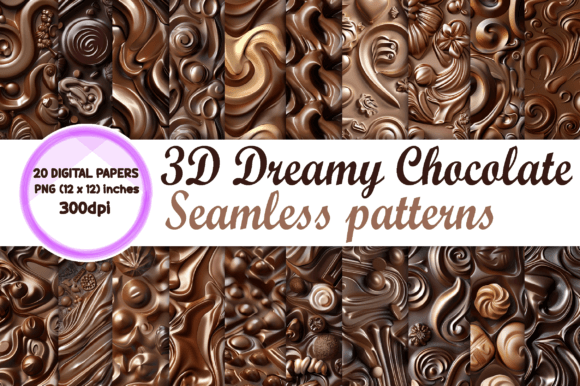
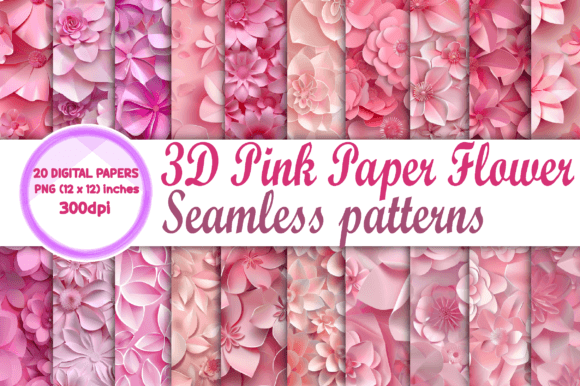
For instance, a standard premium collection will offer 20 PNG files. The PNG format is preferred over JPEG for these types of graphics because it supports transparency. This allows you to layer the flowers over different colored backgrounds without worrying about unsightly white boxes around the edges. Furthermore, the resolution is key. Look for files that are at least 300 DPI (dots per inch). This density ensures that if you decide to print your designs on physical products like invitations, fabric, or packaging, the edges of the paper flowers remain crisp and clean, rather than blurry or jagged.
It is also important to note that while the dimensions provided in these packs are approximate, the nature of digital files means they can be resized according to your needs. However, always scale down rather than up to maintain integrity. If you need a larger pattern, ensure the source file is sufficiently large to begin with.
The Aesthetic Power of Pink and Paper Textures
Why choose pink? And why paper? The combination is not accidental. Pink is a psychologically powerful color. Soft pastel pinks create a calming, serene atmosphere, ideal for wellness brands or baby-related products. Hotter, vibrant pinks inject energy and modernity, suitable for fashion or lifestyle blogs. The "paper" aspect adds a layer of sophistication. It suggests hand-cut precision and artistic intent.
When these elements are combined in a seamless pattern, the result is a continuous, repeating design that has no visible start or end point. This is incredibly useful for web design, where background images need to tile across screens of various sizes without showing awkward breaks. It is equally vital for surface pattern design, where a motif must repeat flawlessly across yards of fabric or sheets of wrapping paper.
The 3D effect is achieved through careful shading and lighting in the original digital creation. Shadows give the petals depth, making them appear as if they are lifting off the page. This illusion of depth draws the viewer’s eye and adds a level of realism that flat illustrations often lack. It creates a sensory experience, inviting the user to imagine the texture of the paper under their fingertips.
Practical Applications Across Industries
The versatility of 3D Pink Paper Flower Seamless Patterns means they fit into a wide array of modern workflows. Here are several practical scenarios where these assets can elevate your work:
- Wedding and Event Stationery: This is perhaps the most obvious application. Wedding invitations, save-the-dates, and menu cards benefit greatly from the romantic and elegant vibe of pink paper flowers. The seamless nature allows you to create custom envelope liners or full-bleed backgrounds that look expensive and bespoke.
- Digital Marketing and Social Media: In a crowded social media feed, aesthetics stop the scroll. Using these patterns as backgrounds for quote graphics, product announcements, or Instagram stories can create a cohesive brand identity. The softness of the pink balances out bold text, making the message easier to read while remaining visually appealing.
- Packaging Design: For small businesses selling handmade soaps, candles, or cosmetics, packaging is part of the product experience. Printing these patterns on tissue paper, box exteriors, or labels adds a premium feel. The 300 DPI resolution ensures that the print quality matches the high perceived value of the item inside.
- Web and UI Design: Subtle backgrounds can enhance user experience without distracting from content. A faint, tiled pattern of pink paper flowers can add warmth to a landing page for a florist, a boutique hotel, or a feminine hygiene product. It breaks the monotony of solid colors without overwhelming the interface.
- Textile and Surface Design: Fashion designers and home decor creators can use these patterns as inspiration or direct prints for fabrics. Think of pillowcases, curtains, or even summer dresses. The organic shape of the flowers contrasts nicely with structured geometric patterns, allowing for mixed-media design approaches.
Integrating Patterns into Your Workflow
Using these patterns effectively requires more than just dragging and dropping. To get the most out of your 20 PNG files, consider how they interact with other design elements. Contrast is your friend. If the flowers are light pink, place them against a darker background, such as navy blue, charcoal, or deep green. This makes the 3D effect pop. Conversely, if the flowers are a deeper rose, a cream or white background can provide a clean, fresh look.
Layering is another technique to explore. Since the files are PNGs with transparency, you can overlay multiple instances of the pattern at different opacities. This creates a complex, rich texture that looks custom-made. You might also consider masking the pattern into specific shapes. For example, fill a text layer with the flower pattern to create a striking typographic effect for headlines.
Remember that consistency is key in branding. If you choose a specific style of 3D paper flower, stick with it across all your materials. Mixing too many different styles of illustration can make a brand look disjointed. The uniformity of a seamless pattern pack helps maintain this consistency effortlessly.
Considerations Before You Buy
Not all pattern packs are created equal. When selecting 3D Pink Paper Flower Seamless Patterns, keep a few factors in mind. First, check the license. Ensure that the files are cleared for commercial use if you plan to sell products featuring the design. Second, verify the variety. A good pack should offer variations in composition—some with dense clusters of flowers, others with more negative space. This gives you flexibility depending on whether you need a busy background or a subtle accent.
Also, consider the shade of pink. "Pink" is a broad spectrum. Does the pack lean towards coral, blush, magenta, or pastel? Choose a palette that aligns with your existing brand colors or the emotional tone you wish to convey. Finally, test the seamlessness. Open the file in your design software and tile it four times. Check the edges carefully to ensure there are no visible lines or mismatches. High-quality packs will be perfectly seamless, saving you hours of manual editing.
In conclusion, incorporating 3D Pink Paper Flower Seamless Patterns into your design toolkit is a smart move for anyone looking to add depth, warmth, and professionalism to their projects. With high-resolution files and versatile applications, these assets bridge the gap between digital convenience and artisanal charm. By understanding their technical qualities and exploring creative ways to use them, you can unlock new levels of visual storytelling in your work.