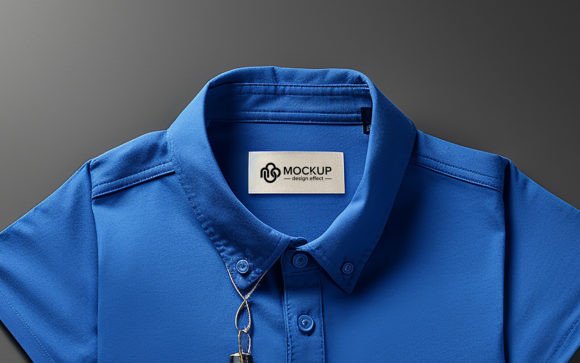
Mastering Visual Branding: A Guide to Using Logo Mockup Label Tag T-Shirt Design PSD Files
In the modern digital landscape, the gap between a conceptual design and a market-ready product is often bridged by high-quality visual presentation. For graphic designers, entrepreneurs, and small business owners, the ability to showcase a logo or artwork in a realistic context is not merely an aesthetic choice; it is a critical component of effective marketing and client communication. This is where tools like the Logo Mockup Label Tag Tshirt Design Psd become indispensable. These digital assets allow creators to present their work with professional polish, ensuring that stakeholders can visualize the final product before a single thread is woven or ink is printed.
Understanding the Power of Realistic Mockups
A mockup is essentially a digital template that simulates how a two-dimensional design will look when applied to a three-dimensional object. In the case of apparel, specifically t-shirts with label tags, the mockup serves as a virtual canvas. The primary purpose of using such a tool is to eliminate ambiguity. When you send a flat JPEG of a logo to a client, they must imagine how it will look on fabric. They cannot easily gauge the texture, the drape of the material, or how lighting interacts with the print. By utilizing a High Quality 3d Realistic mockup, you remove this cognitive load, providing a clear, tangible representation of the end result.
The significance of this technology extends beyond mere convenience. It builds trust. When a potential customer sees a professionally rendered image of a t-shirt with a branded label tag, they perceive higher value. It suggests attention to detail and quality craftsmanship. For educators and students in design fields, these tools offer a safe environment to experiment with placement, scale, and color theory without the financial risk of physical prototyping.
How Smart Object Technology Simplifies Design
One of the most common misconceptions about professional-grade design templates is that they require advanced technical skills to operate. Many beginners assume that achieving a photorealistic effect involves complex manual shading, perspective warping, and lighting adjustments in software like Adobe Photoshop. However, modern PSD (Photoshop Document) files leverage a feature known as Smart Object Replacement, which democratizes the design process.
Here is how it works: The mockup file contains a specific layer designated as a "Smart Object." When you double-click this layer, it opens in a separate window. You simply paste your own logo, design, or text into this window, save it, and close it. Automatically your design will have the correct shadows and lighting look like a real product. The software handles the heavy lifting, mapping your flat image onto the curved surfaces of the t-shirt and tag, applying distortion, and blending it with the underlying fabric texture. This means there is No Skill Requirement beyond basic file management, making it accessible to everyone from seasoned art directors to novice Etsy sellers.
Key Features That Enhance Workflow
To truly appreciate the utility of these assets, one must look at the specific features that make them efficient. A well-constructed mockup pack is not just a picture; it is a structured workflow tool. Consider the following elements that define a premium resource:
- High Resolution Output: Professional prints require clarity. A standard pack offers 300 DPI (Dots Per Inch), ensuring that when you zoom in or print the mockup for a portfolio, the edges remain crisp and the details are sharp.
- Organized Layer Structure: Time is money in creative industries. A high-quality PSD comes with Fully layered and well Organized layers in Folders. This allows users to quickly toggle visibility, adjust background colors, or modify specific elements like the tag string or shirt folds without hunting through hundreds of unnamed layers.
- Complete Editability: While the smart object handles the logo, the rest of the scene should also be flexible. Users often need to change the shirt color to match brand guidelines or adjust the lighting mood. A 100 Editable file ensures that every aspect of the composition can be tweaked to suit specific needs.
Practical Applications in Business and Creativity
The versatility of a Logo Mockup Label Tag Tshirt Design Psd makes it relevant across various sectors. For e-commerce businesses, particularly those using print-on-demand services, these mockups are essential for creating product listings. Since the physical inventory may not exist yet, the mockup serves as the primary sales asset. It helps reduce return rates by setting accurate expectations for the customer regarding size, placement, and style.
In the realm of freelance graphic design, these tools are vital for portfolio building. A designer might create a brilliant logo for a hypothetical sports brand. Displaying this logo on a flat white background is functional but uninspiring. Placing it on a realistic t-shirt label tag adds context and narrative, showing potential clients how the brand identity lives in the real world. This contextualization can be the deciding factor in winning a contract.
Furthermore, in educational settings, these mockups help students understand the constraints of physical media. They learn that a design that looks good on a screen might need adjustment when applied to a textured fabric. The immediate feedback loop provided by the smart object feature allows for rapid iteration and learning.
Maximizing the Value of Your Mockup Pack
To get the most out of your download, it is important to approach the editing process strategically. Although the tool is easy to use, thoughtful application yields better results. Here is a logical approach to using these files effectively:
- Prepare Your Assets: Ensure your logo or design is high-resolution and has a transparent background if necessary. This prevents unwanted white boxes from appearing on the colored fabric.
- Check the Lighting: Even though the shadows are automatic, pay attention to the direction of light in the mockup. If your logo has its own internal shadows or highlights, try to align them with the mockup’s lighting source for maximum realism.
- Experiment with Colors: Use the adjustment layers provided in the PSD to change the t-shirt color. Test your logo against dark, light, and vibrant backgrounds to ensure versatility.
- Export Correctly: Once satisfied, save your final image as a high-quality JPG or PNG for web use, keeping the original PSD safe for future edits.
It is also worth noting that while these tools are powerful, they are supplements to good design, not replacements for it. The mockup will make a poor design look realistic, but it will not make it good. The foundation of a successful product image is still a strong, well-thought-out graphic.
Conclusion and Final Thoughts
The integration of Logo Mockup Label Tag Tshirt Design Psd files into your creative toolkit represents a shift towards efficiency and professionalism. By leveraging Smart Object Replacement, you bypass the tedious technical aspects of photo manipulation, allowing you to focus on creativity and brand storytelling. Whether you are launching a new clothing line, presenting a concept to a client, or building a design portfolio, these resources provide the visual credibility needed to stand out in a crowded marketplace.
Remember, the pack typically includes 1 PSD file for editing and 1 JPG for quick previewing, offering a complete solution for immediate use. As you incorporate these tools into your workflow, you will find that the ability to rapidly visualize ideas accelerates decision-making and enhances collaboration. Finally, as a member of the creative community, your feedback matters. If you find these resources helpful, please, don’t forget to rate the product. Your input helps developers improve these tools and assists other designers in finding reliable resources for their projects.